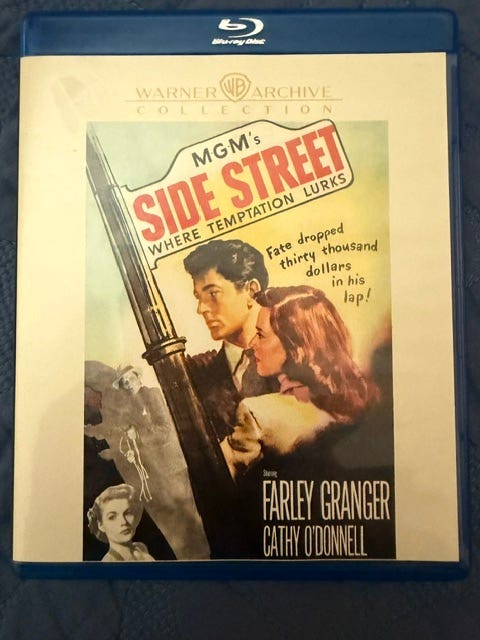
Anthony Mann: 6: Side Street
a film by Anthony Mann / 1949

“Sniffing the Wind for Something Violent”
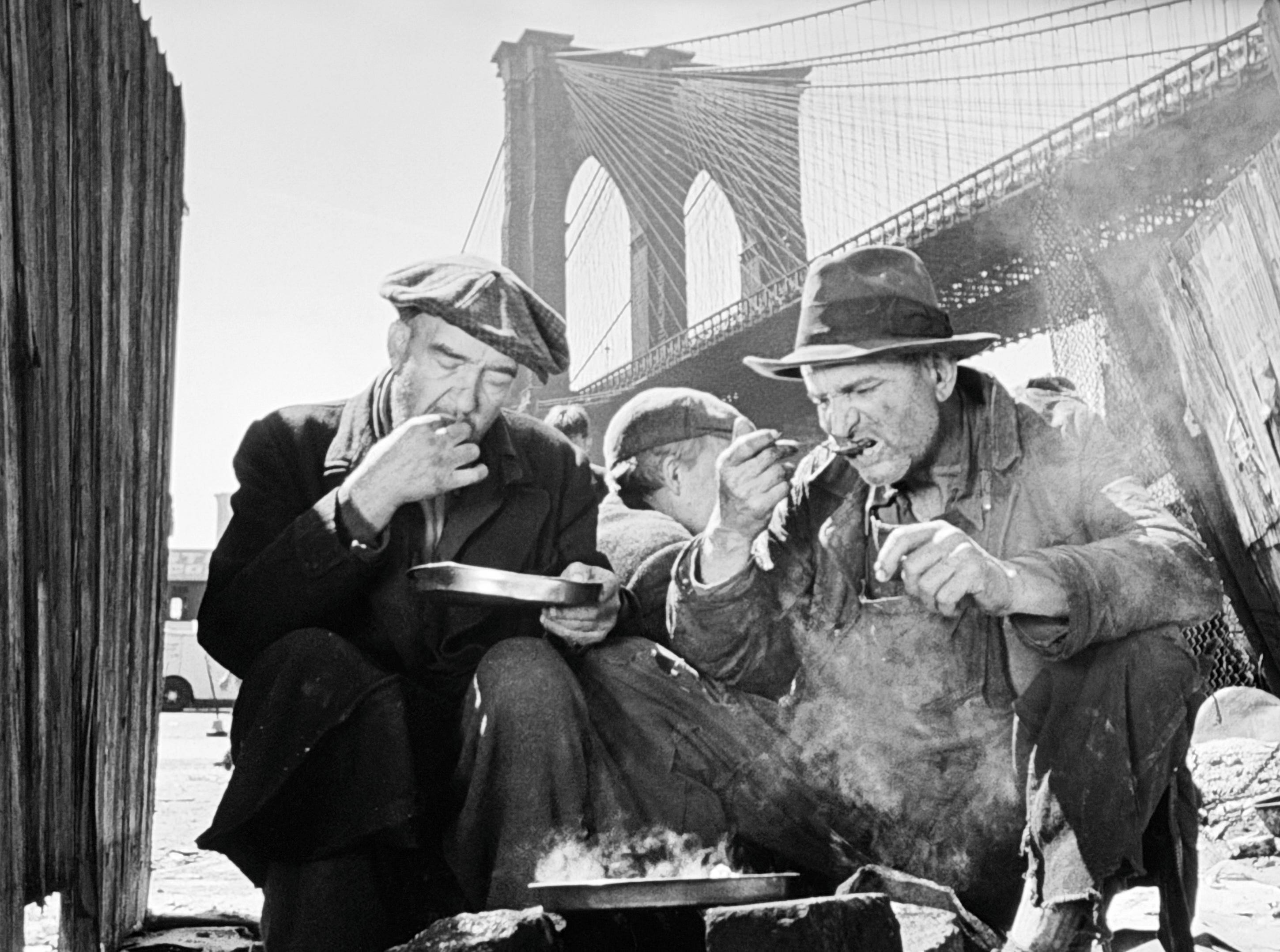
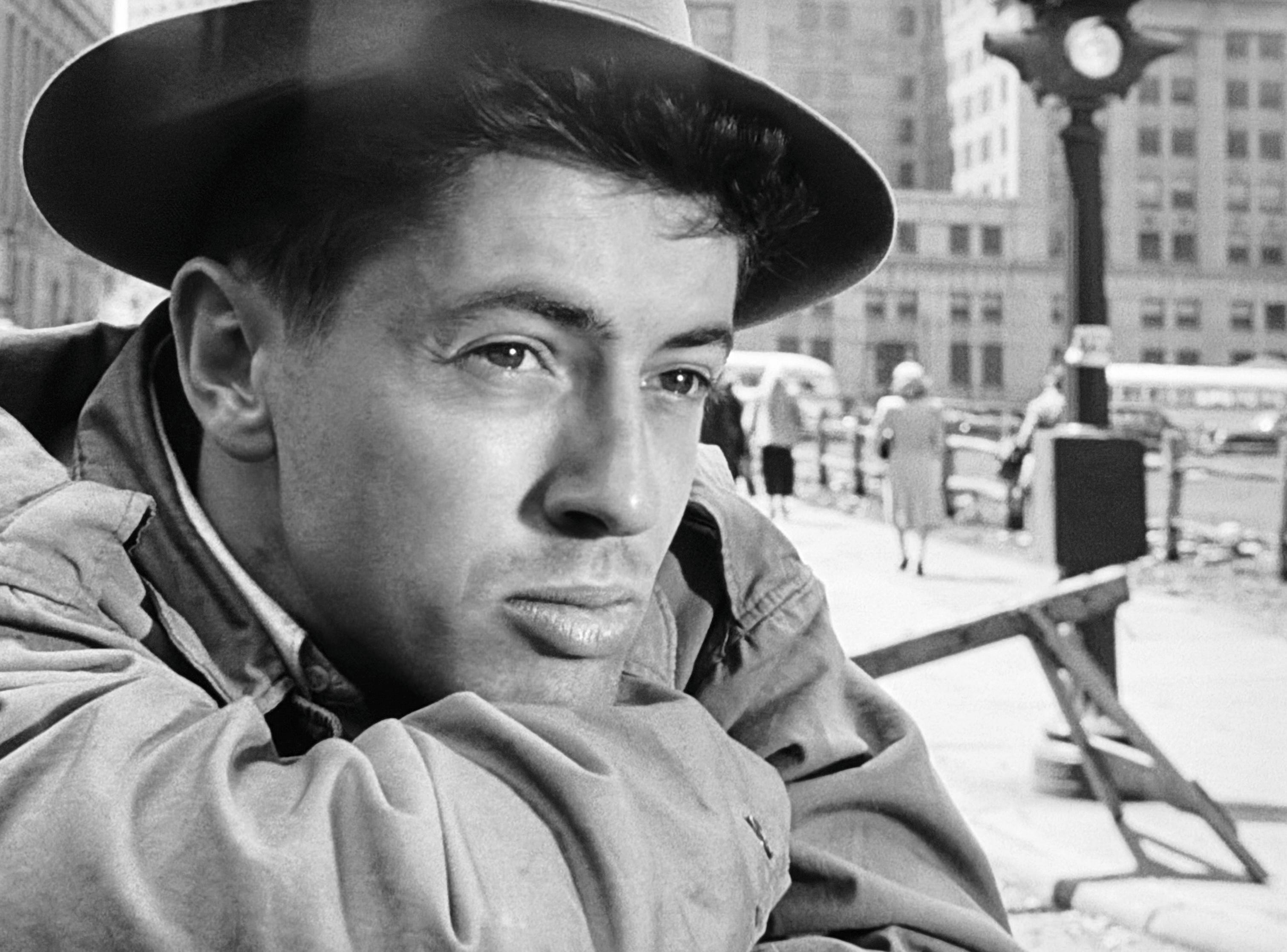
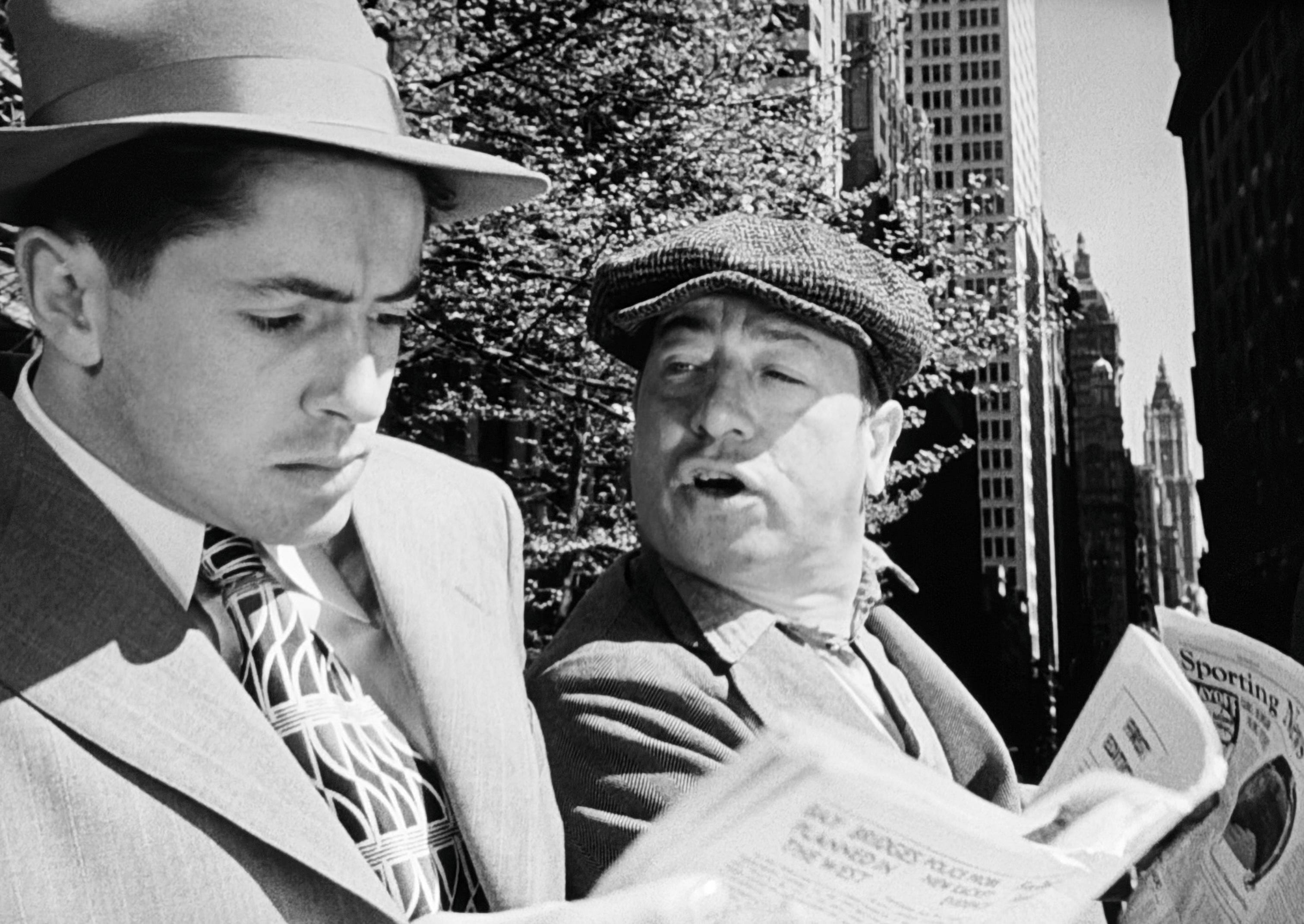
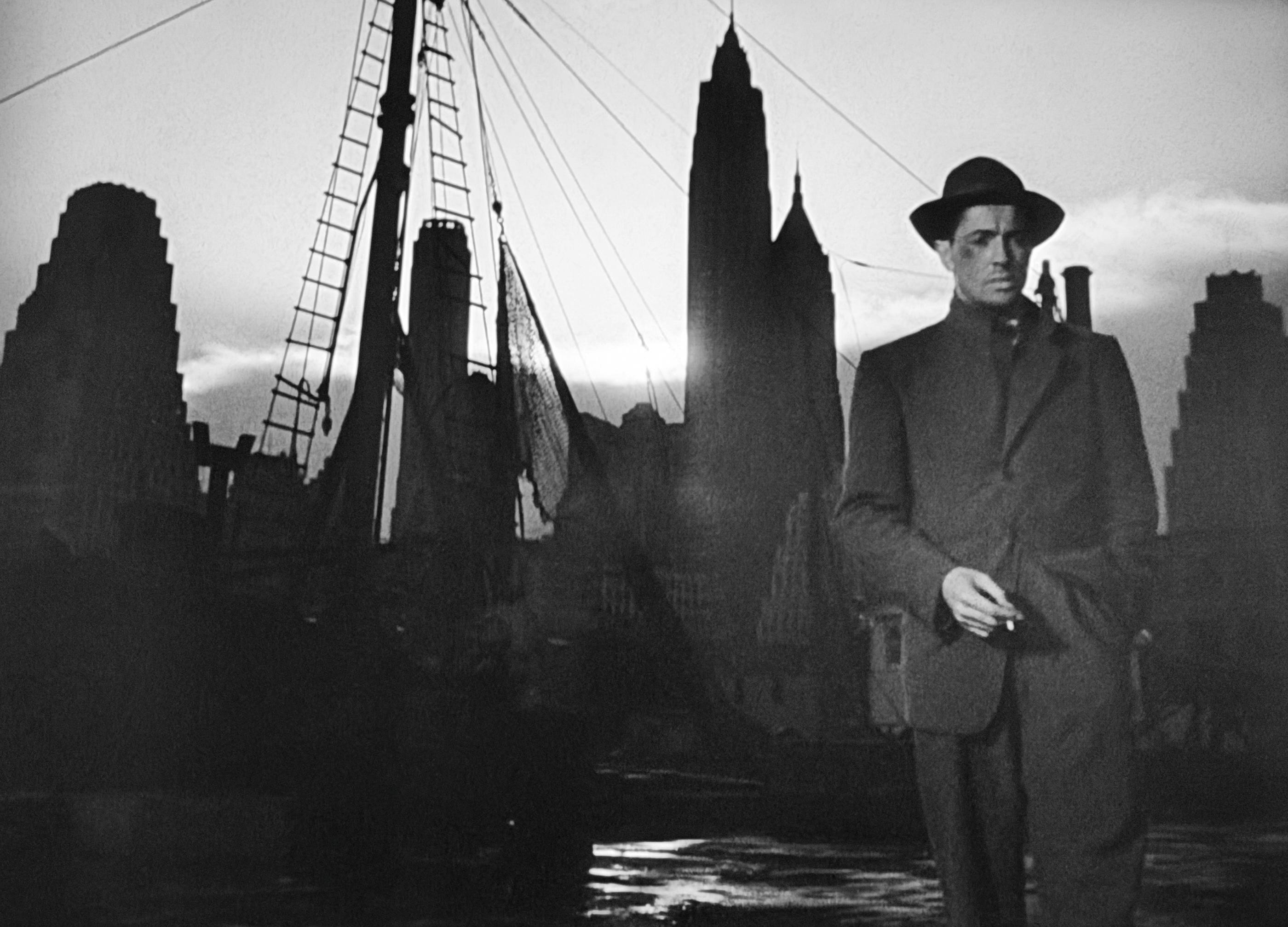
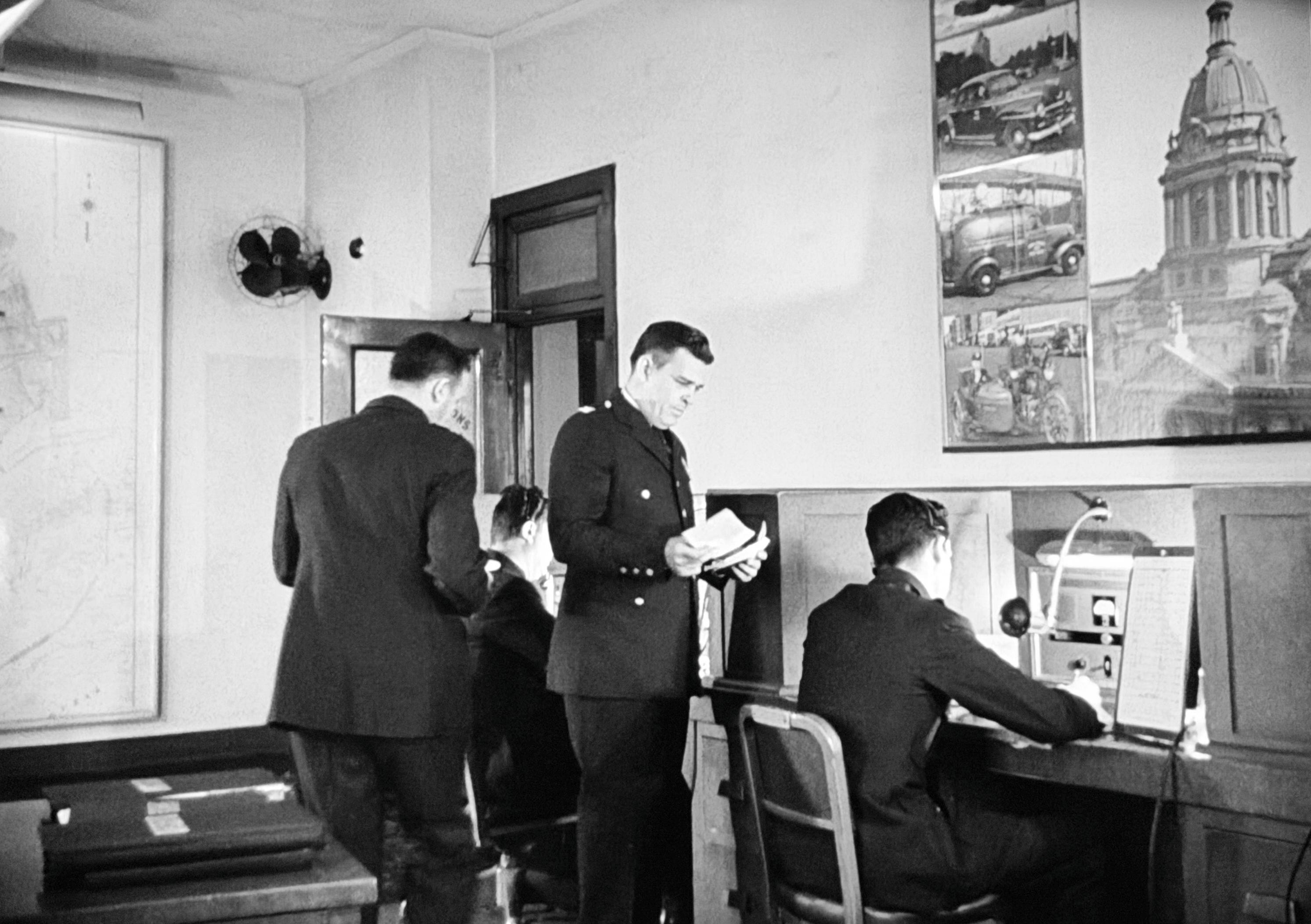
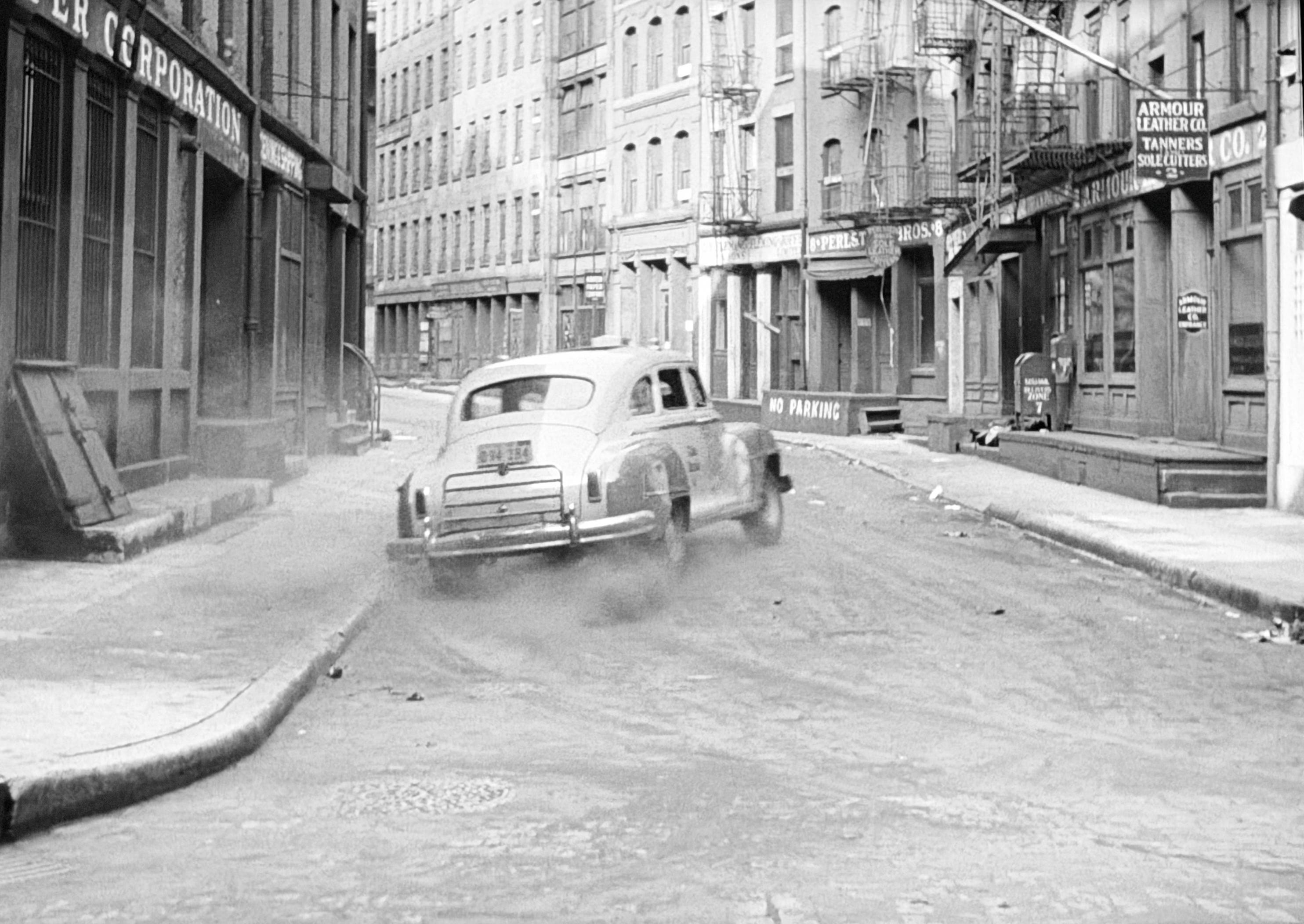
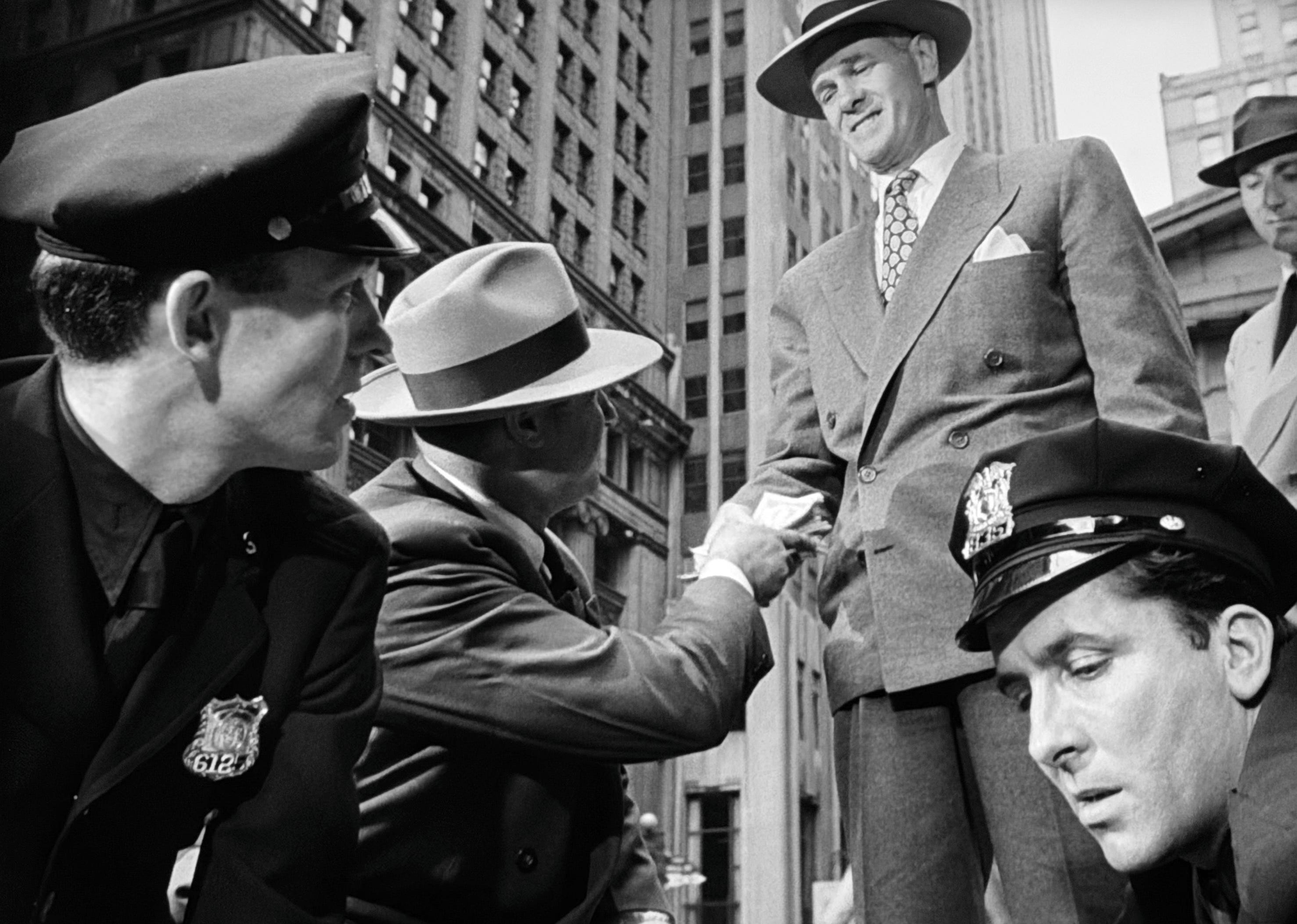
A July 10th New York Times story by Jason Bailey profiles TCM presence and film noir ‘head’ Eddie Muller wherein the critic-host draws a distinction between the LA noirs (camera-pans across the city sprawl) and the New York noirs (camera-tilts upward, or stationary low angle shots, set up to capture the domineering forms of the skyscrapers and infrastructure). Muller might be taking some general liberties in distinguishing the one from the other, but, to validate his observation, if there were ever a determinedly New York entry (yet one absent from this year’s TCM Noir Festival), it is Anthony Mann’s 1949 Side Street. Mann constructs a film which uses the imposing, labyrinthine, brooding buildingscape of Manhattan to impose an atmosphere of oppression onto the erratic moves and decisions of protagonist Farley Granger, half-wittingly caught up in a mess of guilt just two years after Nicholas Ray’s They Live by Night, and one after Hitchcock’s Rope, which in turn set the stage for Strangers on a Train. (This series of pictures represents an under-recognized quad-fecta for an oddball actor, persona irresolute, slightly credulous, on the edge of simpering.)
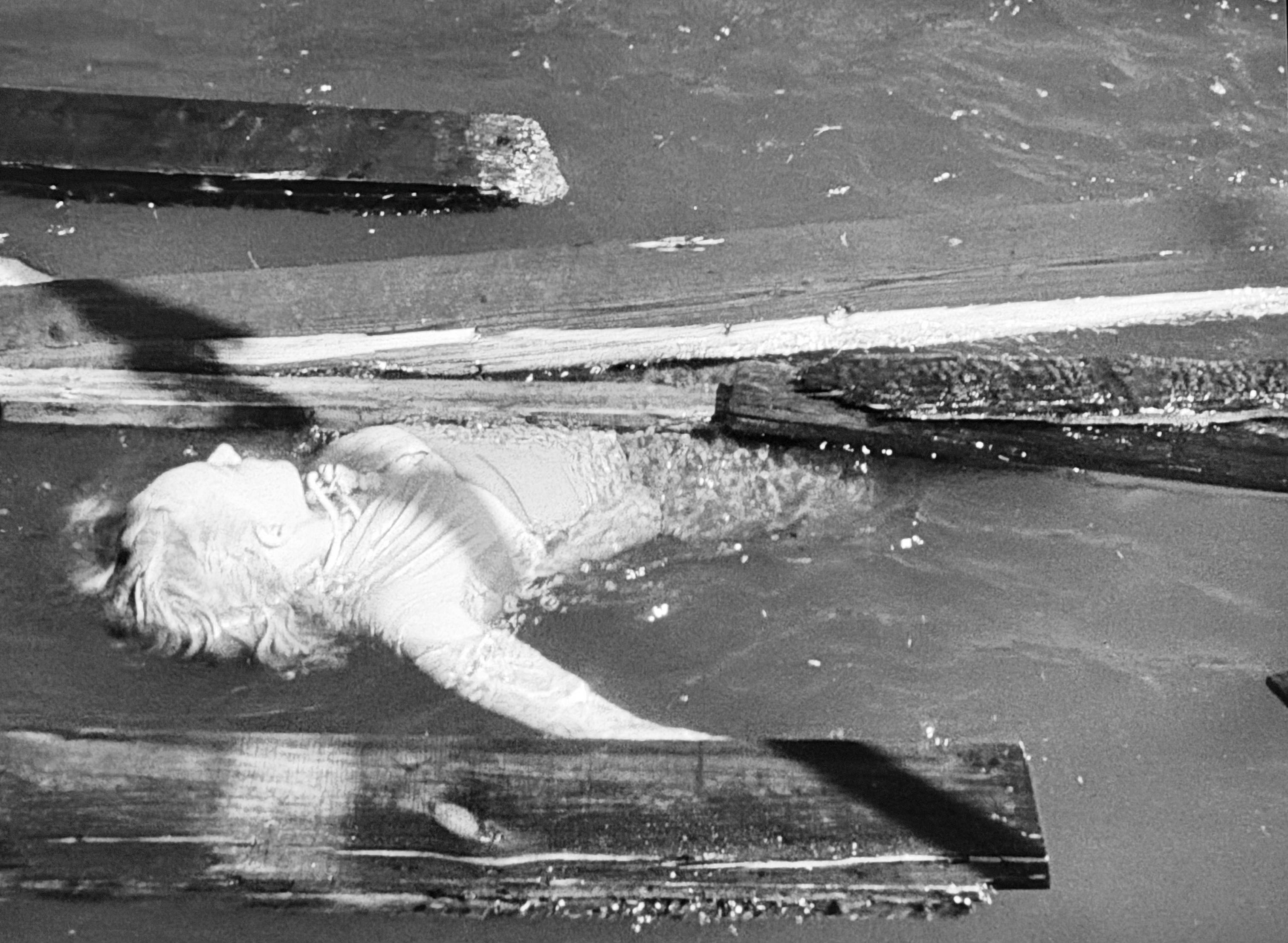
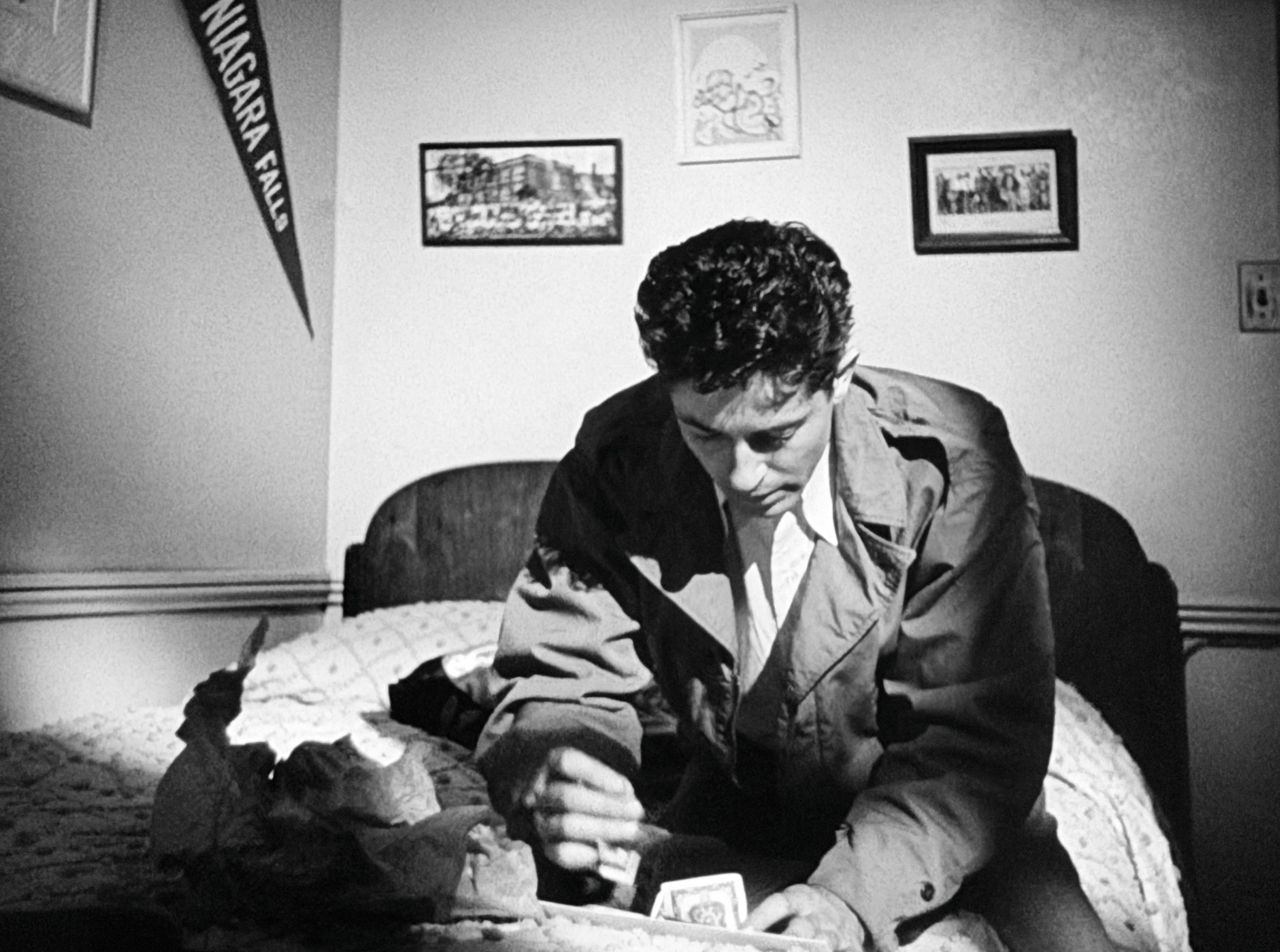
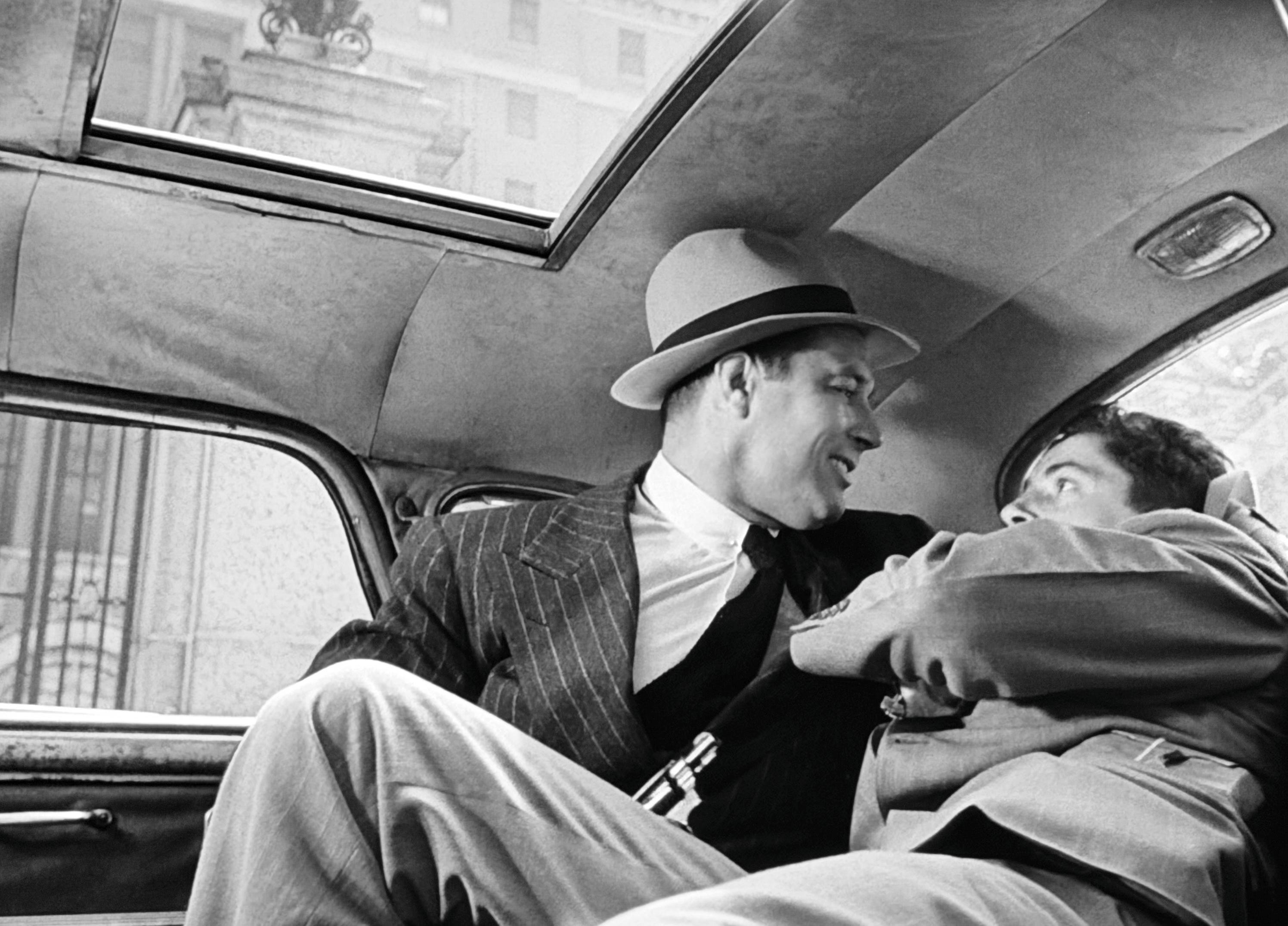
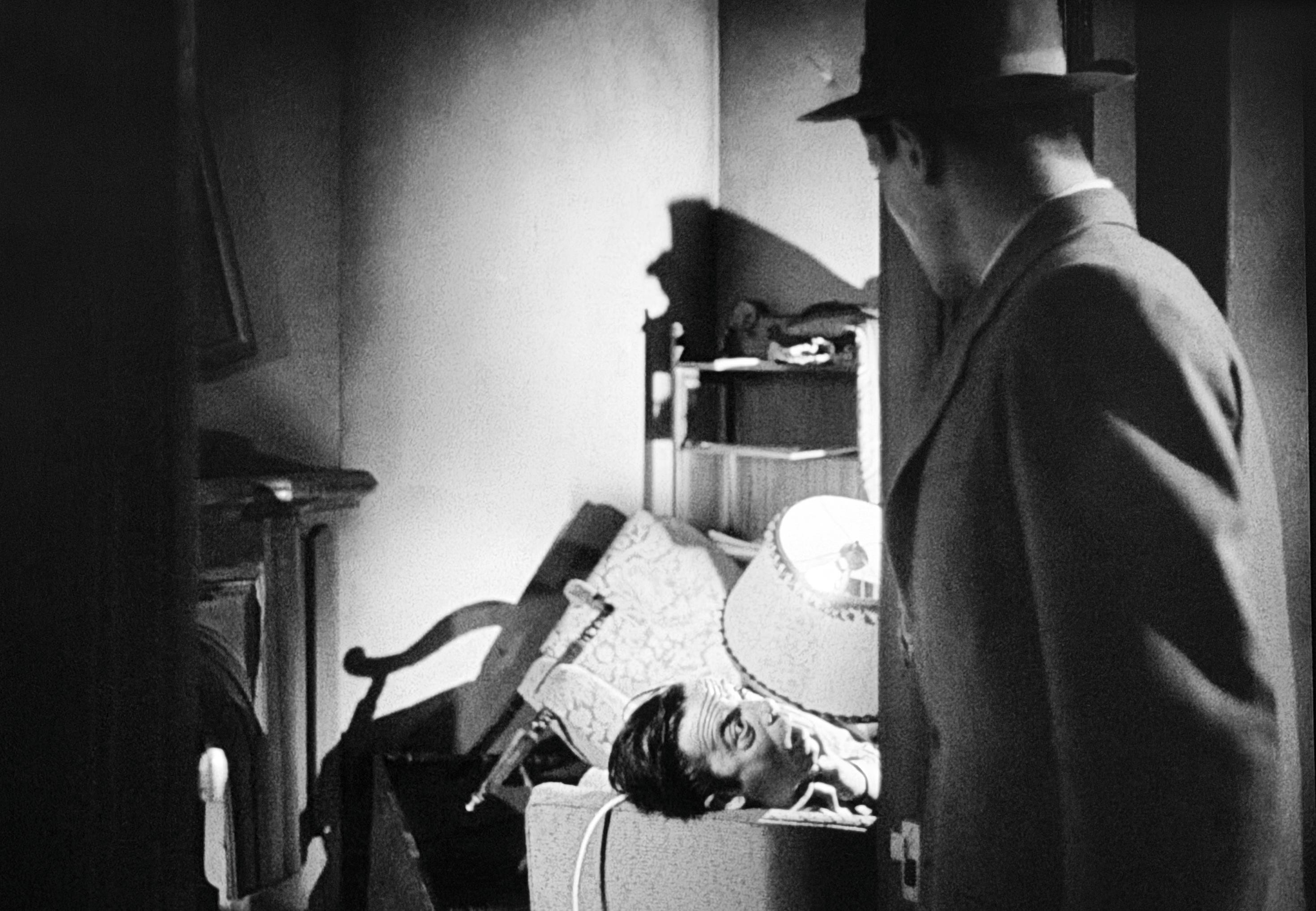
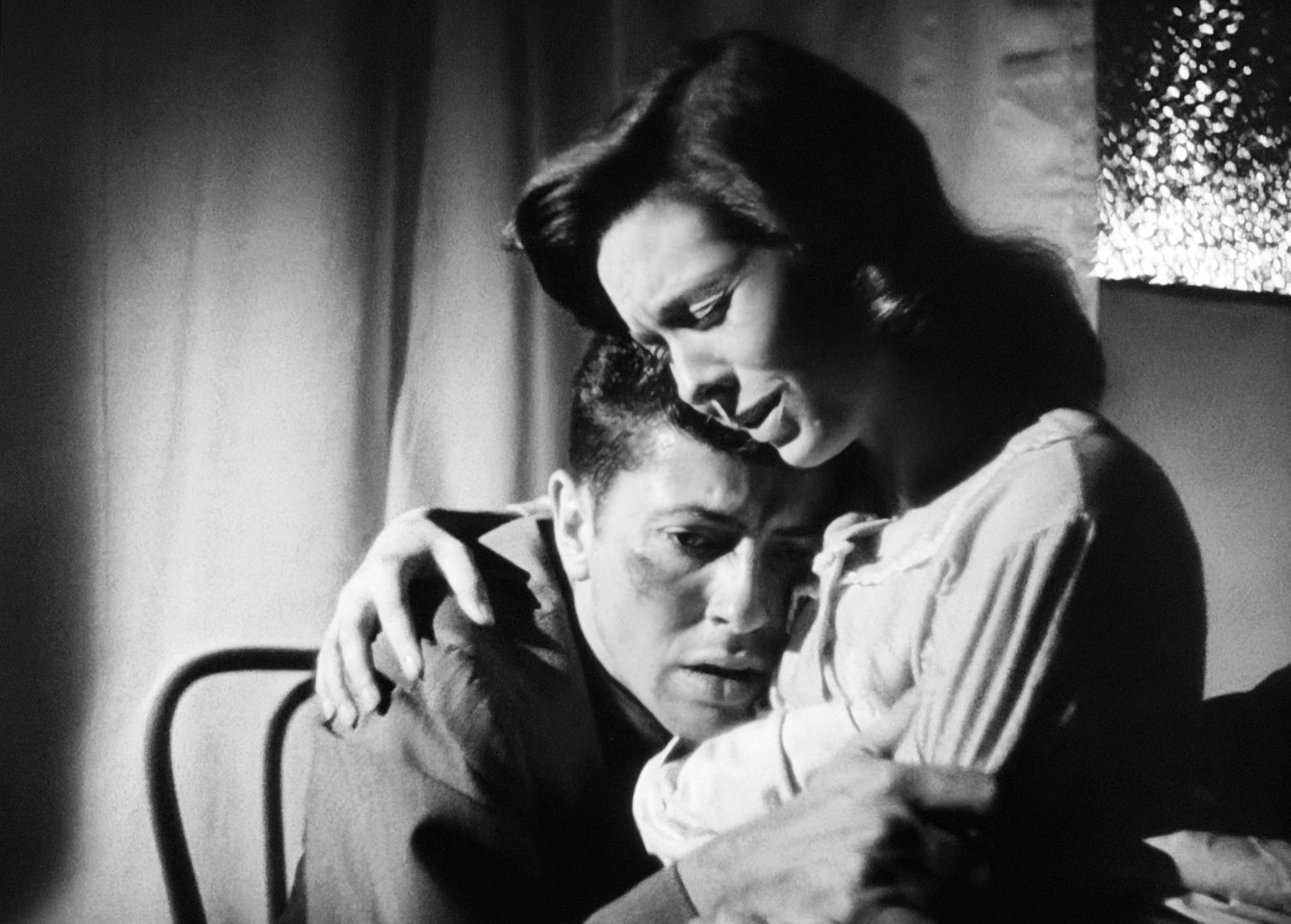
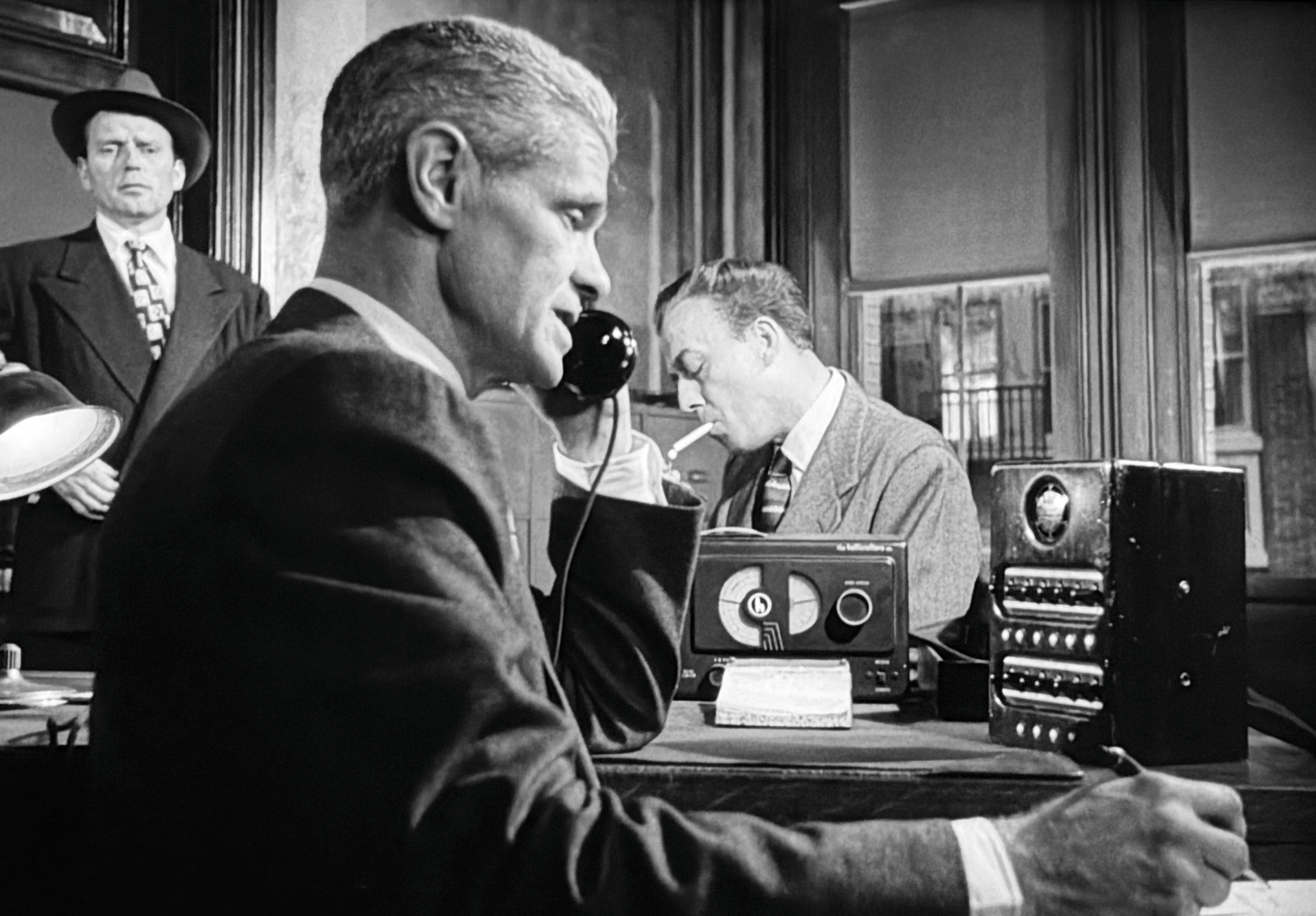
Across an economical 85 minutes, the crimes of Side Street just keep unrolling; they’ve been committed a dozen times before Granger even begins to slip all over his moral marbles. This world of freelance postal delivery takes one into some real peculiar places, and when Granger caves in to the temptation to filch thirty grand from the filing cabinet of a crooked attorney, he metamorphoses into a tainted magpie that flits about town (never in consultation with the period God) in search of what is now ‘his’ cache gone doubly awol. Corpses accumulate, and redemption, never exactly sought, never exactly arrives for Farley Granger either. He says he’s sorry to all who have to listen, and it’s clear that the theft was an act of desperation, plain and simple (but how many larcenists do not attest to similar truths?): he didn’t want to see his bedridden wife (Cathy O’Donnell, Granger’s mate from They Live by Night, appearing here briefly but affectingly) give birth in a public maternity ward. Due to the vanished stash, and what with the addition of his desperate peregrinations, Granger never bags the opportunity to set up that private room before O’Donnell has their child: she ends up in a space at the hospital that could stand in for a mental ward. When a detective arrives and coerces her into getting him on the phone, she screams a warning into the receiver to put him off from falling into the police dragnet. Side Street abounds with transgressive, bold acts, and by the end no-one emerges unsullied from the shadows of the city.
In closing I’ll turn attention to one of the more curious aspects of Side Street: the litany of Scandinavian Anglo-borrowed character names, all of which seem like a corruption of more common surnames, dropped from the family tree dream-garbled.
• Norson, aka Joe Wilson
• Lorrison
• Simpsen
• Harriet Sinton
• Gus Heldon
Bizarre, nä? It’s like a satire of the notion that the 1940s Gotham-film has ever embraced the city as anything but the Nibelungen’s smelting pot... •
Other writing at Cinemasparagus on the films of Anthony Mann:
Corkscrew Alley [aka Raw Deal] [1948]
He Walked by Night [1948] (credited to Alfred Werker)