Éric Rohmer: 1: Bérénice
a film by Éric Rohmer / 1954

Schérer, Did We Ever Know Re?
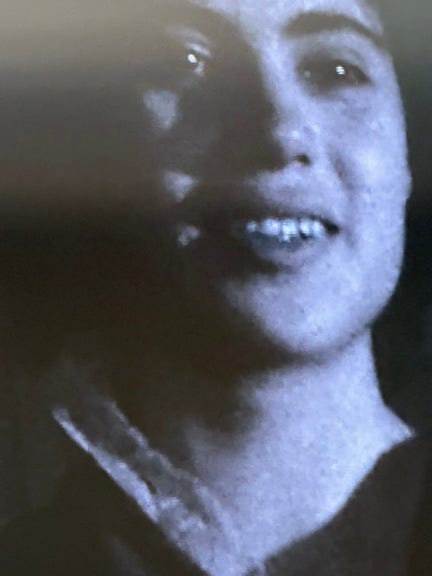
A précis on Maurice Schérer’s first years in filmmaking: Before adopting the pseudonym Éric Rohmer, Schérer was an adult man henpecked by his own conscience, what I register as a traumatized response following the years of exposure to a mother’s standing disdain for the movies as a déclassé pastime. It would seem Madame Jeanne Marie Monzat Schérer clung to a dated idea of the movies as Lumière projections in the basements of smoky cafés or as the rowdy, carnivalistic roadshows put on by Méliès. (Who can say where the destitute magician’s rabbits might have rummaged!) In lieu of defying his immediate family à la Godard (well…), Schérer-Rohmer chose to operate undercover. Correspondingly, the noli me tangere Cinema necessitated a series of secrecies in Schérer’s professional life which he appeared to have adopted with relish; there is, after all, something appealing about hitting it big in America (as of My Night at Maud’s) with Mummy never having the slightest. Less incredible that “Antony Barrier” should have flown under the mother’s radar: such was Rohmer’s first nom de guerre, an imaginary filmmaker of quasi-blue-movies (was it not yet clear that SchérER-BarriER-RohmER was complicated?) who started out as an invention big-upped by Rohmer, Paul Gégauff, et al, in the Bulletin of the Ciné-Club du Quartier Latin as an inside-joke, then as a collective author of short 16mm films made by Rohmer in collaboration with Godard, Rivette, Gégauff, and others. These pictures were projected at the Ciné-Club in 1951; the title, but not the material, of one of the films exists in the historical record: D’amour et d’eau fraîche, rhapsodie sexuelle sur Saint-Germain-des-Prés [On Love and Fresh Water: Sexual Rhapsody About Saint-Germain-des-Prés].
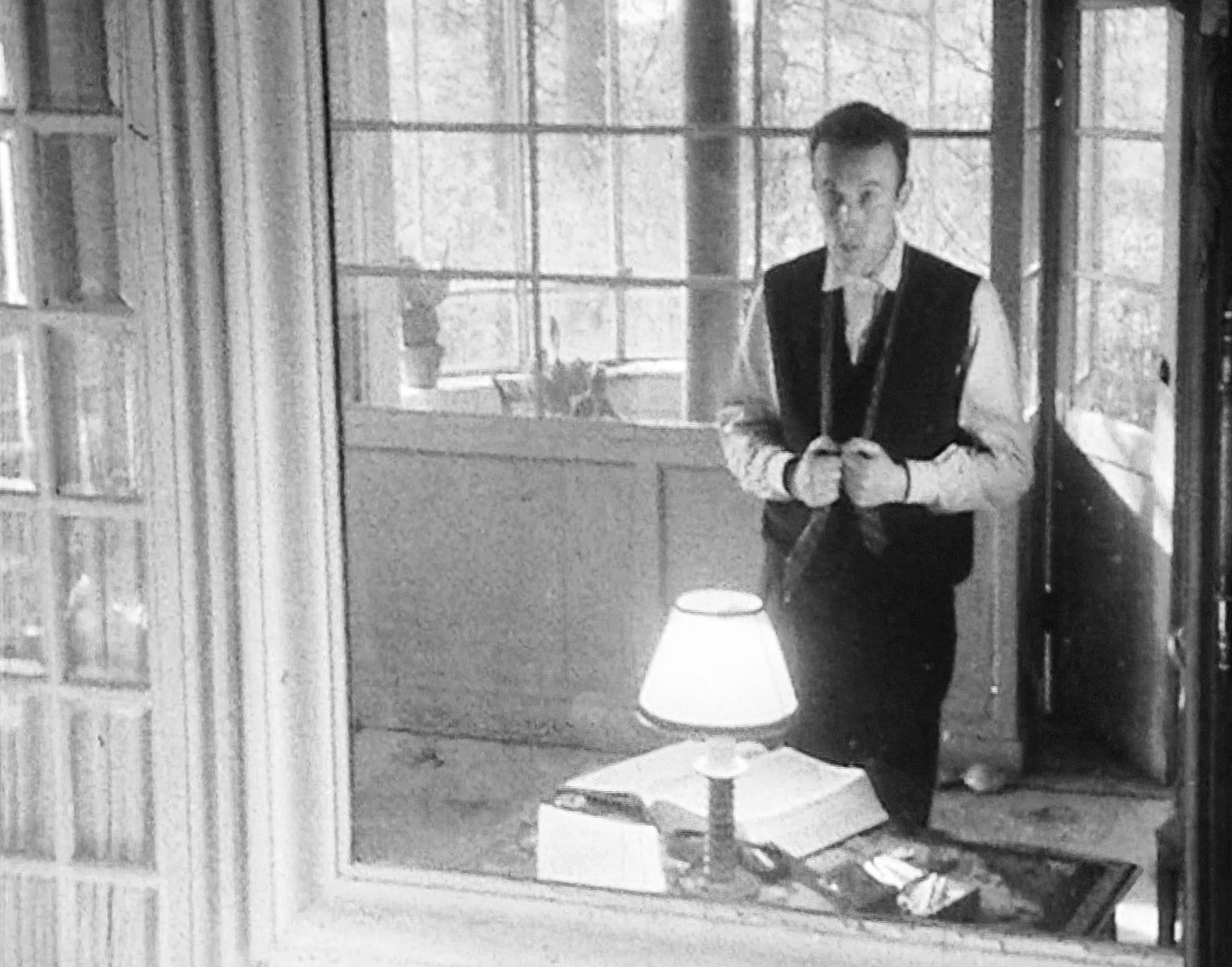
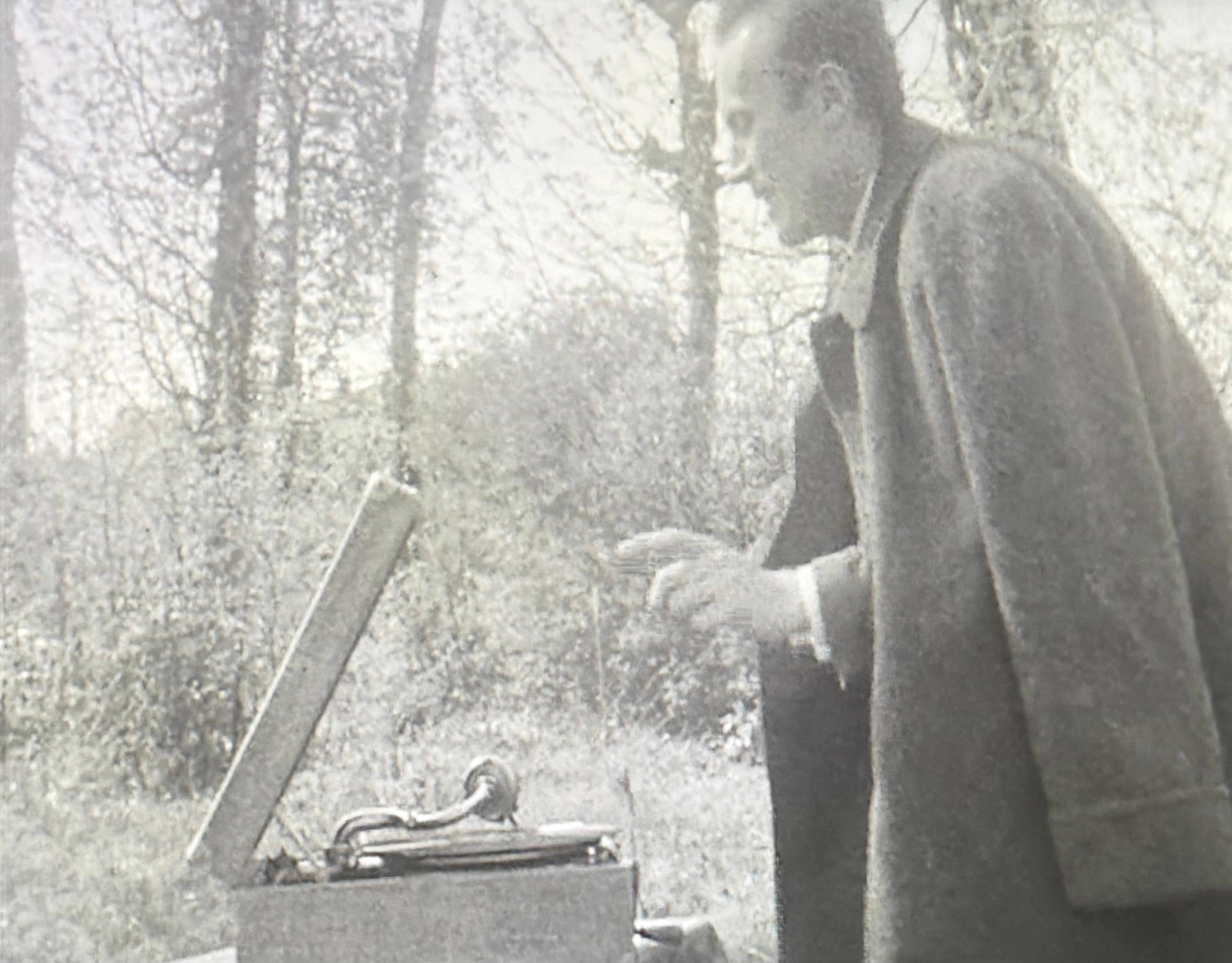
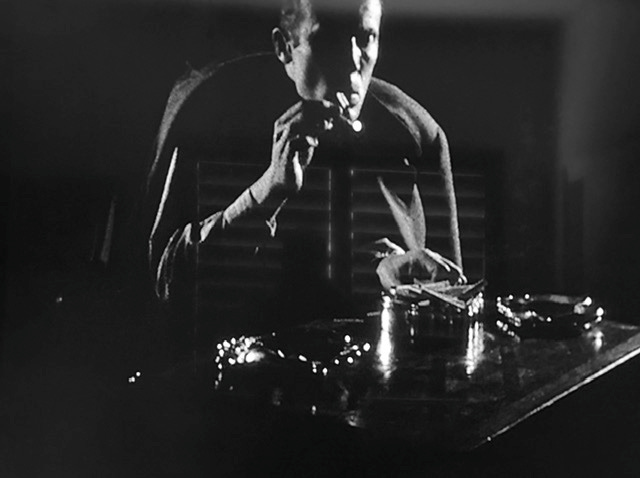
The name “Rohmer” actually appears first on a film of 1950, Journal d’un scélérat [Diary of a Scoundrel], currently lost. Might there not still be some hope for its eventual resurface? After all, it’s only due to the discovery of a VHS copy in Rohmer’s studio following his 2010 death that we’re able to access 1954’s Bérénice, the earliest surviving film signed with the renowned pseudonym. (What of the ten-minute Presentation, or: Charlotte and Her Steak, shot in 1951 and 1952 respectively over the course of two days and starring Godard? Stake it out as his earliest surviving work if one will, but its soundtrack was only completed in 1961…) Bérénice, based on the Edgar Allan Poe story “Berenice,” runs 22 minutes (not the 15-minute length commonly cited) and is included on the French Potemkine Blu-ray of La boulangère de Monceau. A major minor film, Bérénice scrambles any preconceptions of a ‘static, talky’ Rohmerian cinema, reinforcing instead the filmmaker’s attention to the mise-en-scène of F. W. Murnau and Maya Deren.
The aesthetic of Murnau might not come as a complete surprise, given Rohmer’s beautiful 1970s thesis work The Organization of Space in Murnau’s Faust, (one must recall his hand-drawn frame-reproductions in which Emil Jannings’ winged Satan fills the area), but what of Deren? The film Bérénice takes place on the grounds and in the interior of lead actress Teresa Gratia’s parents’ château, and of course what comes to mind here with regard to Deren is the connection to the spaces of Meshes of the Afternoon. But one must also remember that in the early Cahiers du Cinéma it was Rohmer who championed the 16mm film d’amateur as an obvious route to the attainment of free cinematographic expression. To that end, Bérénice proves the axiom, for its unusual camera angles, pools and swaths of shadow, and ‘working’ of the material apparatus harmonize clearly into a true film of the ciné-stylo.
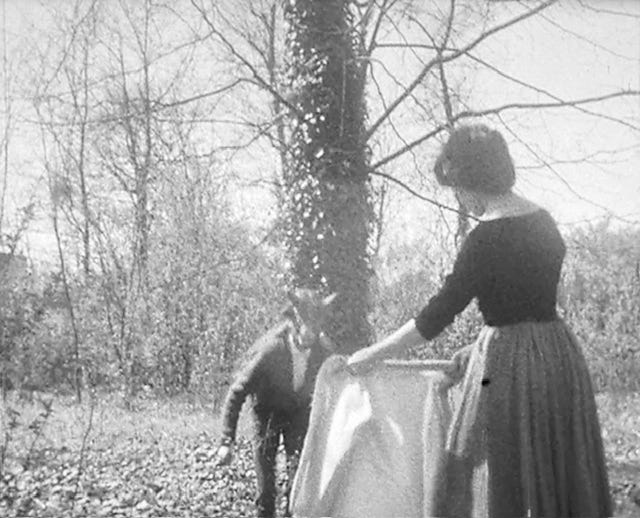
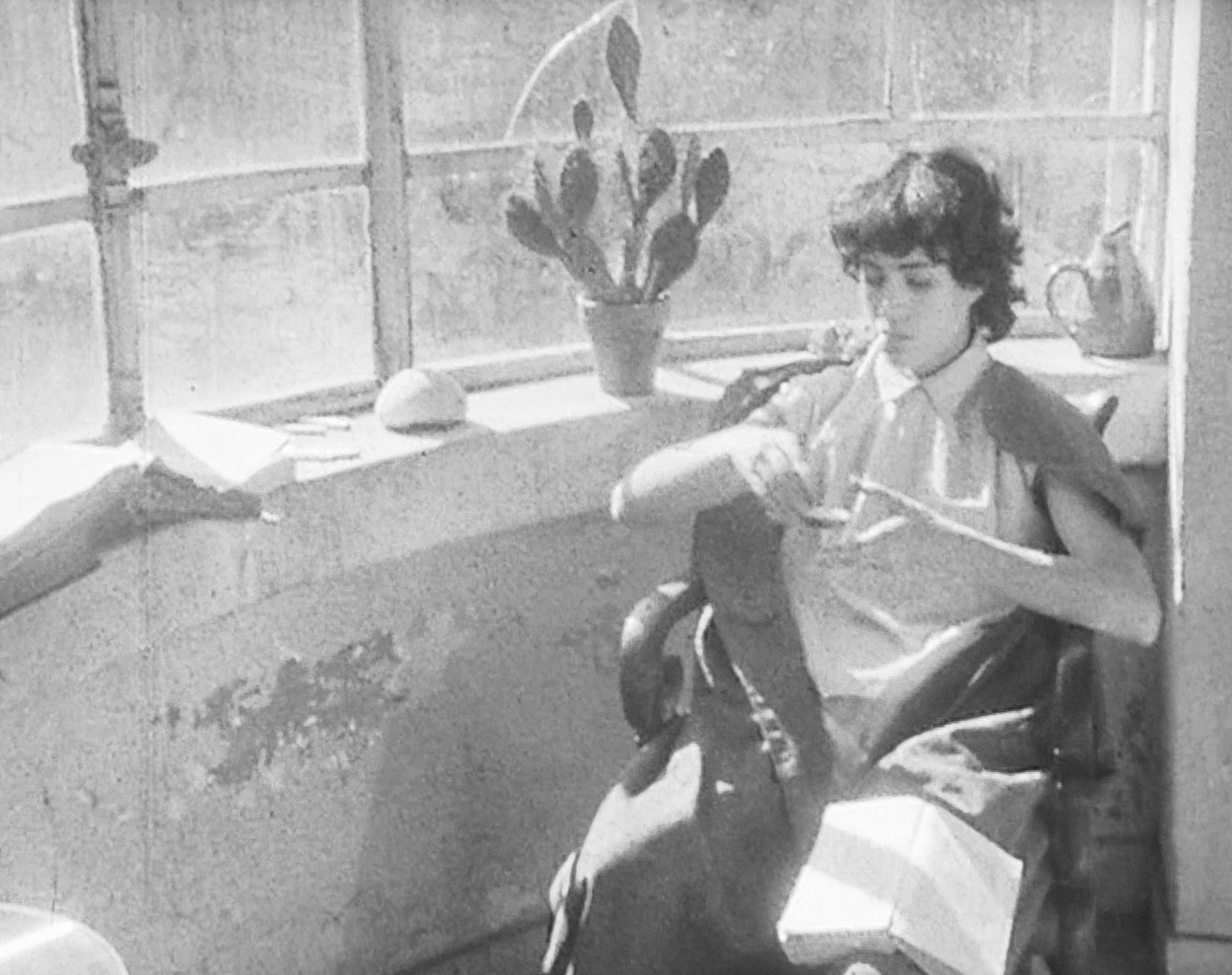
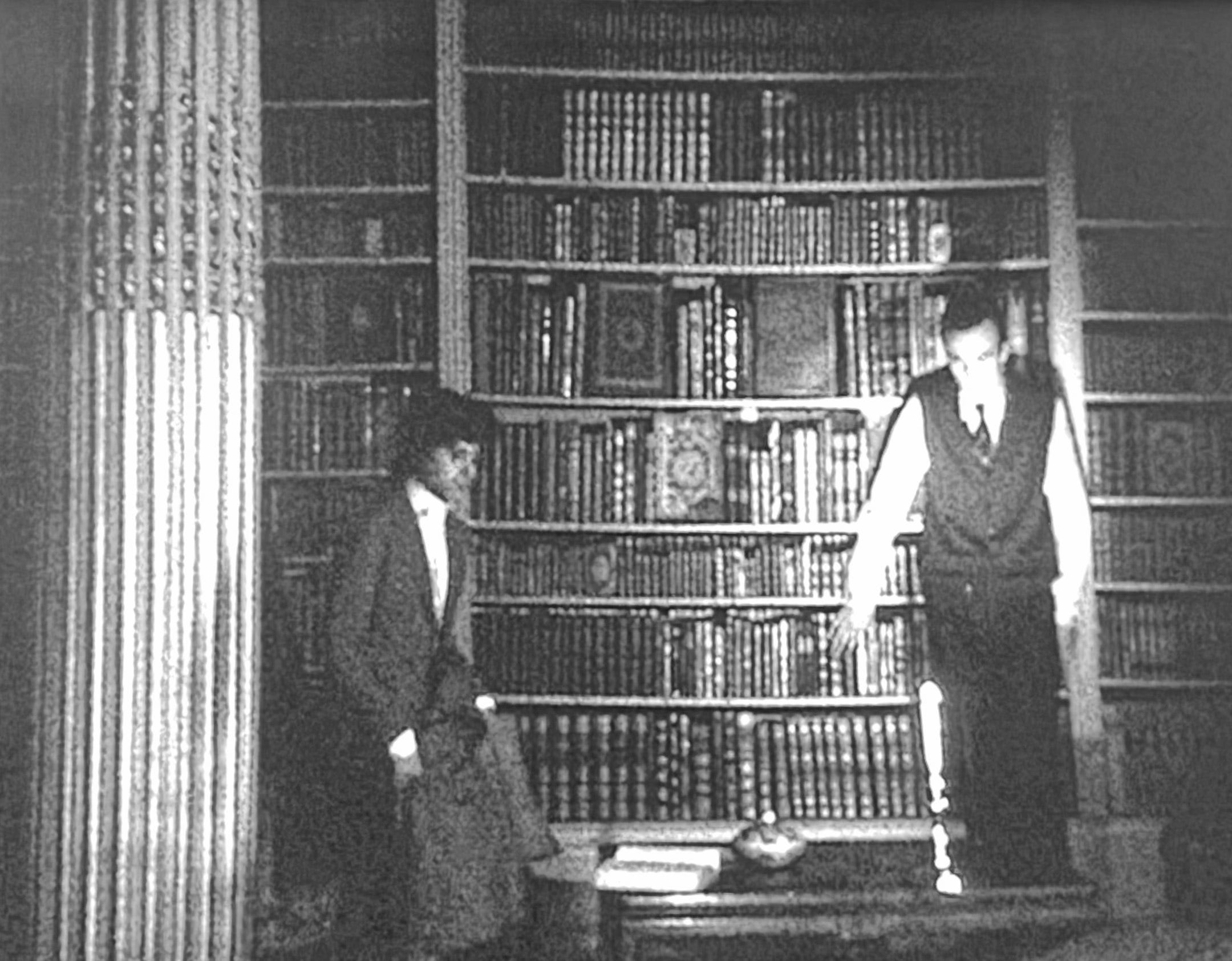
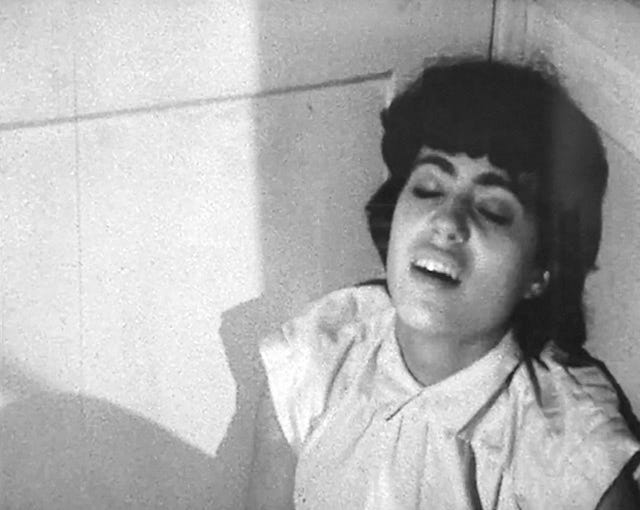
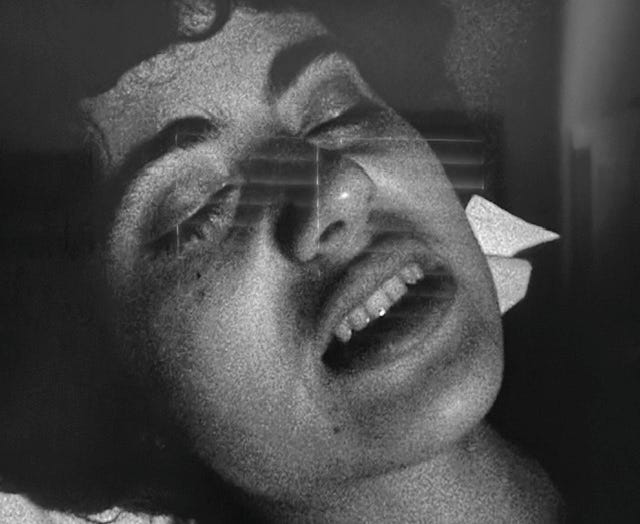
An oneiric ambience presides, appropriate to an adaptation of Poe (or the majority of Poe, and only a minority of Rohmer): the château setting as an isolated space apart from society, sere tree branches marking out the garden in which Rohmer (narrator/main-character Egaeus), Gratia (first-cousin Bérénice), and a younger sister in a bull mask picnic beneath an overcast sky. The narrator’s obsession-repulsion with his cousin deepens following an epileptic fit; in the period following, she moves about the rooms of the residence listlessly, a plot-point that Rohmer cinematizes by having the actress Gratia perform several takes ‘backwards,’ which play back ‘forwards’ in the final film, the respective segments having themselves been printed backwards. (Side-note: Radiohead’s “Like Spinning Plates” employs a similar technique to create the effect of Thom Yorke’s vocals… “A delicate balance…”) Rohmer’s narration hews closely to the prose of Poe’s original — I’m not sure whether he sourced it from Baudelaire’s French translation — as it does to the story itself: perhaps Rohmer has the advantage, as the finale of this tale of a mania bestowed by the very teeth in Berenice’s mouth lands with a great visual ‘éclatter.’ •